
Week 28 Recap — Lebanon–Israel Conflict: Strikes despite a US-backed framework, and calls for investigation. Can diplomacy and accountability reduce the violence?
Week 28 coverage highlights reported Israeli strikes in Lebanon despite a US-backed framework and Amnesty International’s call for a war-crimes investigation.
Context
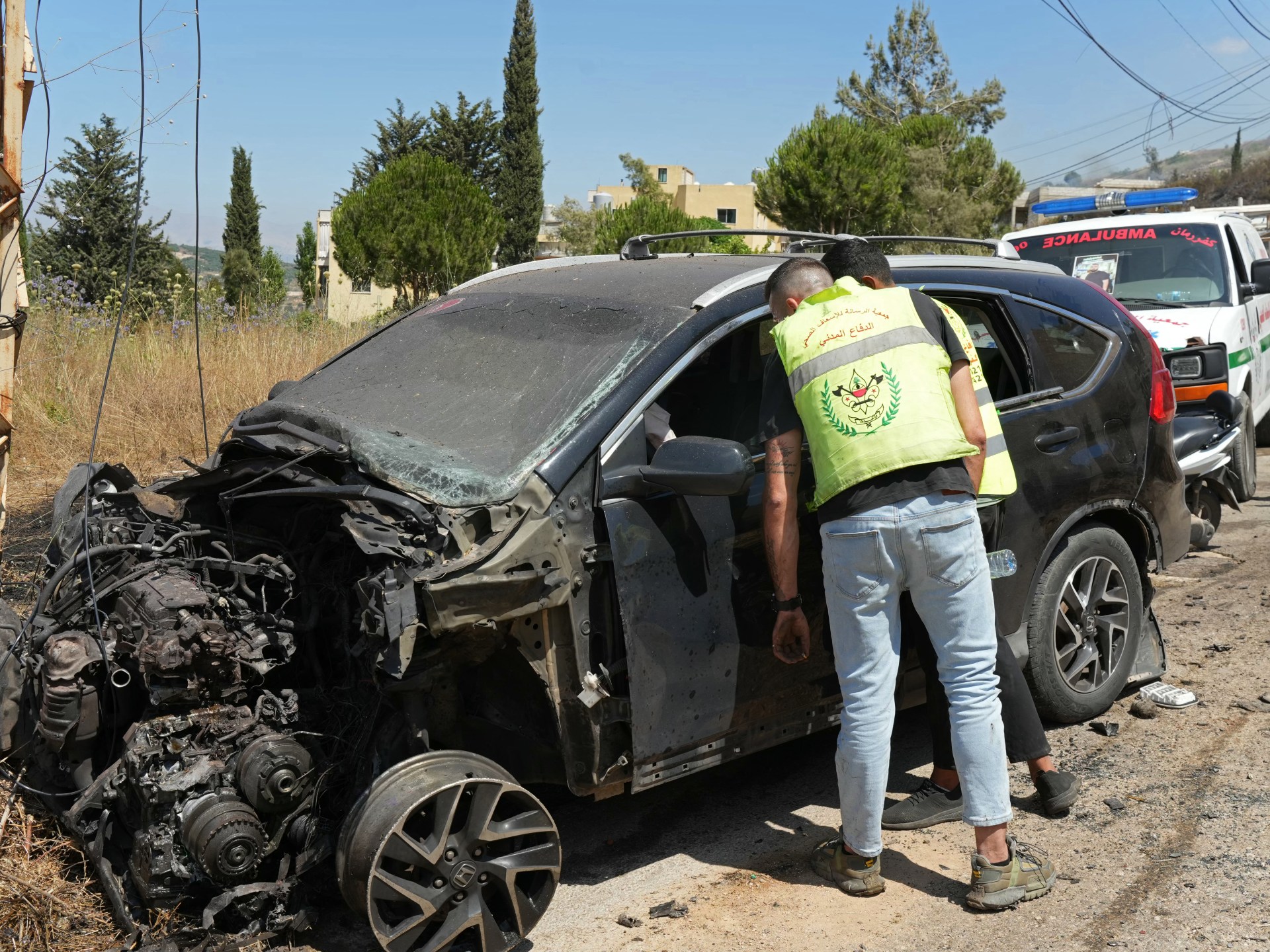
Available coverage for this week centers on a tension between a US-brokered framework involving Lebanon and continued reports of Israeli strikes in Lebanon. Three visible sources describe Israeli drone attacks or broader attacks on villages and civilians despite the framework, with one title specifically referring to a US-led deal with the Lebanese government. The coverage therefore presents diplomacy and military activity as parallel, unresolved lines rather than as a single development.
The reported human impact is a major part of the week’s discussion. The headlines refer to children being killed and to families being wiped out, while a quoted passage describes entire families, including a dozen children, being killed in Lebanon. These claims appear in the visible coverage as allegations and reports about the consequences of the strikes; the sources provided do not establish an independent account of every incident.
A second line moved into legal and accountability territory. Amnesty International, as reported by Anadolu Agency and Shafaqna English, called for an investigation into whether Israeli strikes that killed children and destroyed families should be examined as war crimes. One headline says Amnesty found a “reasonable basis to conclude” that such an investigation was warranted. This adds an international-law dimension to the diplomatic and security debate.
The main actors visible in this week’s coverage are Israel, Lebanon and its government, the United States as the broker or lead behind the reported framework, and Amnesty International as the organization calling for scrutiny. Taken together, the sources highlight an apparent gap between a negotiated framework and reported violence, while leaving the broader durability and enforcement of that framework open to public debate.
Coverage
5 sourcesComments
Log in to vote
Quick stats
- Total votes0
- Comments0
- Polarization—
- Activity (24h)—