
Bulgaria's Parliament enacts new anti-corruption commission law: constitutional and operational concerns?
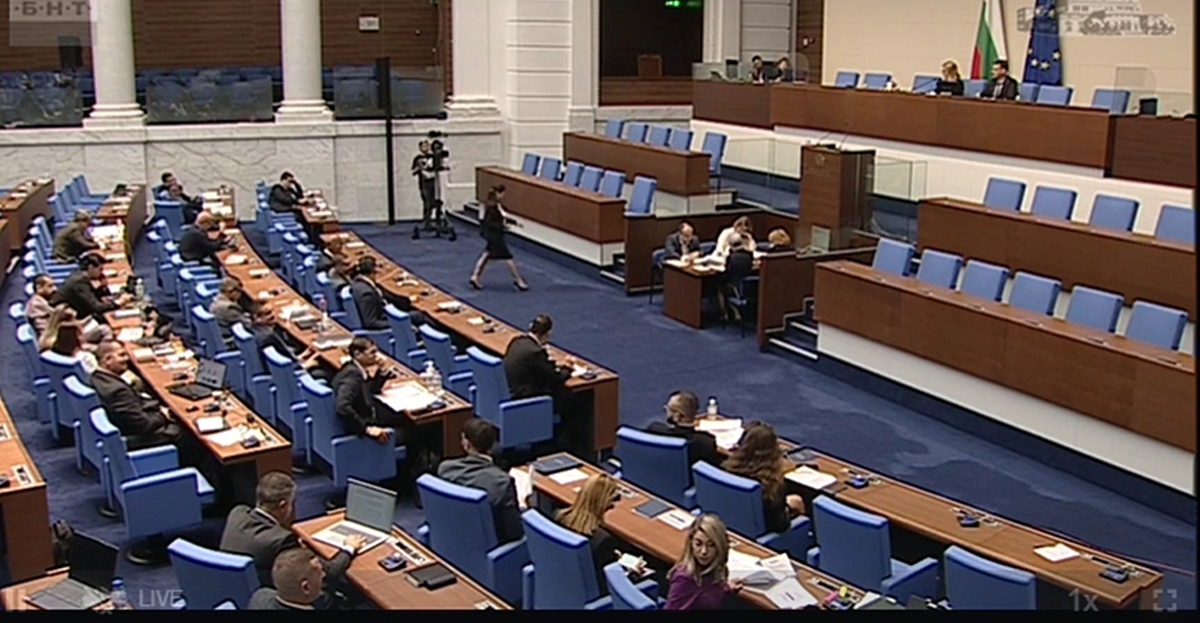
Bulgaria's Parliament passed a new anti-corruption commission law amid debate over its constitutional validity and investigative powers.
What's your take?
Should Bulgaria's new anti-corruption commission law be supported despite concerns over its investigative powers and constitutional implications?
Your vote is anonymous
Context
Bulgaria's National Assembly passed a new law regulating the anti-corruption commission, raising debate over its powers and constitutional compliance. Critics, including Ivan Vachev and Velislav Velichkov, question the law's allowance for investigative inspectors potentially sourced from foreign countries like Germany, France, and Italy, and oppose the introduction of undercover agents among MPs.
Concerns focus on whether limiting the commission's powers, such as restricting special intelligence methods and operational-search activities, will hinder its effectiveness. The Supreme Administrative Court and Supreme Court are relevant institutions in this context.
The law's implementation and its impact on anti-corruption efforts in Bulgaria remain contested, with ongoing discussions about its alignment with constitutional principles.
Coverage
Comments
Log in to vote
Quick stats
- Total votes0
- Comments0
- Polarization—
- Activity (24h)—
More cases in Politics
View allEuropean Court Finds Turkey Discriminated Against Orthodox Priests: Fair Judgment or Overreach?
New Zealand's law allowing AI to decide welfare benefits: modernization or risk to fairness?
Ghana's Parliament Criminalizes LGBTQ Promotion: Rights Protection or Overreach?
India's Military Pressure Led Pakistan to Seek Ceasefire Within Four Days: Was This a Justified Strategic Move?